
Online gambling has transformed the way individuals engage with games of chance and skill. From the early days of internet poker to the expansive world of online casinos, sports betting, and beyond, gambling has adapted to the online arena remarkably well. As we delve deeper into this subject, we will also reference resources such as online gambling slavestothesystem.eu for a broader understanding of emerging trends and societal impacts related to online gambling.
A Brief History of Online Gambling
The concept of gambling is ancient, with traces found throughout history spanning various cultures and societies. The internet revolutionized gambling in the late 1990s when the first online casinos appeared. In 1994, Antigua and Barbuda passed the Free Trade and Processing Act, enabling licenses for online gambling. The first fully functioning online casino, InterCasino, was launched in 1996, paving the way for numerous competitors and the explosion of online gambling platforms.
The Various Forms of Online Gambling
Online gambling encompasses a wide range of activities, creating an engaging experience for players. Here, we examine the most popular forms:
1. Online Casinos
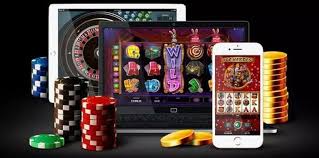
Online casinos replicate traditional casino experiences, offering a variety of games such as slots, poker, roulette, and blackjack. Players can access these platforms from their homes or mobile devices, making it more convenient than ever. Live dealer games have further bridged the gap between online and in-person gameplay, providing real-time interaction with professional dealers.
2. Sports Betting
The rise of online sports betting has been one of the most significant trends in the gambling industry. Bettors can place wagers on various sports events, ranging from football and basketball to niche sports such as eSports and MMA. Many online sportsbooks offer live betting options, allowing players to place bets while the event is happening, adding to the excitement.
3. Poker Rooms
Online poker rooms have created a vibrant community for poker enthusiasts. Tournaments and cash games are available round the clock, accessible to players around the globe. The World Series of Poker (WSOP) and other major tournaments have moved online, increasing participation and offering large prize pools.
4. Lottery and Bingo
Online lotteries and bingo games have gained popularity, providing instant access to these traditional games. Players can enjoy various formats, including jackpot games and themed versions, from the comfort of their homes.
The Impact of Online Gambling on Society
While online gambling offers entertainment and potential financial gain, it also poses unique challenges and risks. Here, we explore the positive and negative aspects of this growing phenomenon.
1. Economic Contributions
The online gambling industry generates significant revenue for governments through taxation and job creation. It has opened up new markets and opportunities for entrepreneurs and established businesses alike. Beyond direct financial contributions, online gambling has also stimulated innovations in payment processing, software development, and digital security.
2. Social Implications
On the downside, online gambling can lead to addiction and various social issues. The accessibility of gambling platforms makes it easy for individuals to develop unhealthy habits without realizing the consequences. Many countries have implemented regulations to promote responsible gambling, such as setting deposit limits, offering self-exclusion programs, and providing resources for those struggling with gambling addiction.
Trends Shaping the Future of Online Gambling
The online gambling industry continues to evolve rapidly, influenced by technological advancements and changing consumer preferences. Here are some trends to watch:
1. Blockchain and Cryptocurrency
Blockchain technology is making waves within online gambling. It offers greater transparency, security, and fairness in gambling transactions. Cryptocurrencies like Bitcoin have also found a place in online casinos, allowing players to wager anonymously and with lower transaction fees.
2. Virtual Reality (VR) and Augmented Reality (AR)
As VR and AR technologies become more accessible, online gambling platforms are starting to integrate these experiences into their offerings. Imagine entering a virtual casino or poker room, interacting with other players and dealers as if you were in a real establishment.
3. Mobile Gaming
Mobile gaming continues to rise, with more players preferring to access gambling platforms via smartphones and tablets. Developers are focusing on creating apps that provide seamless user experiences, attractive graphics, and innovative gameplay tailored for mobile devices.
Conclusion
Online gambling has undoubtedly changed the landscape of entertainment, offering unprecedented access to various games and betting opportunities. While it brings economic benefits and innovation, it is essential to address the challenges associated with gambling addiction and responsible play. As we continue to explore this digital frontier, awareness, education, and regulation will be key factors in ensuring that online gambling remains a source of entertainment rather than a path to harm.